 For partners
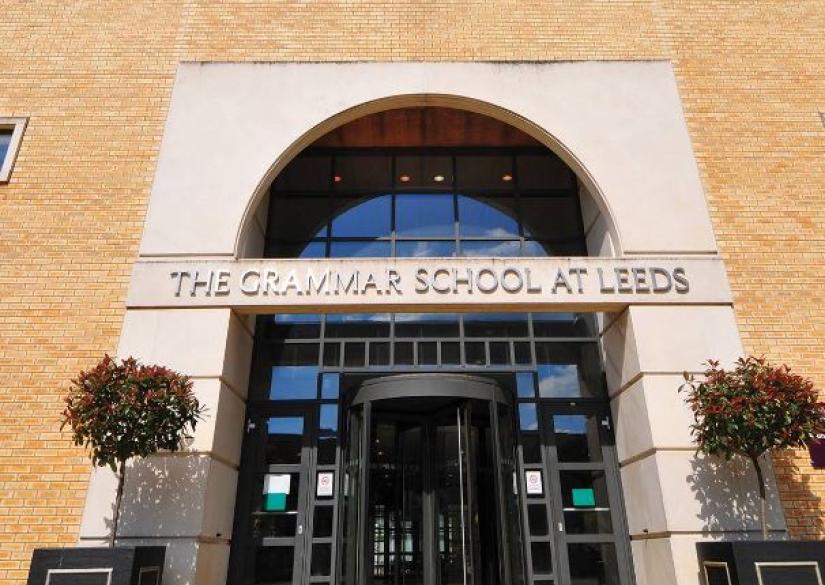
The Grammar School at Leeds, Gymnasium of Leeds





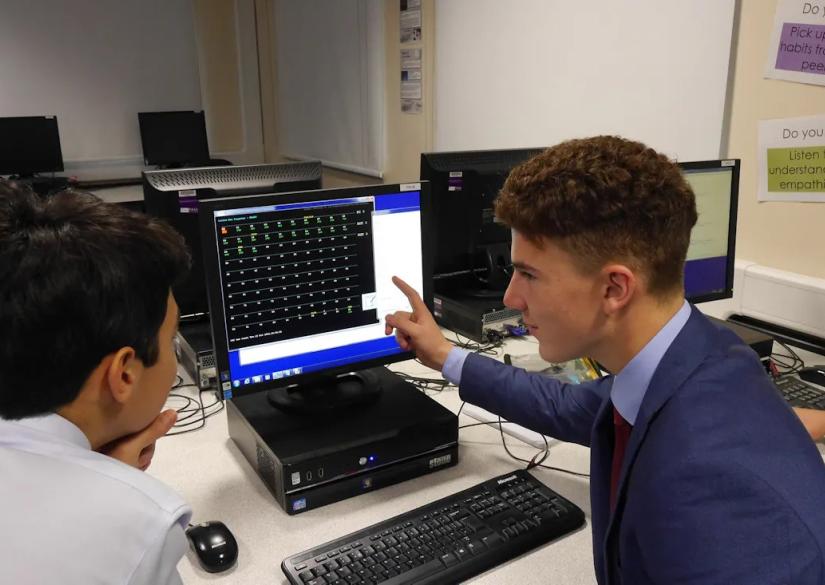
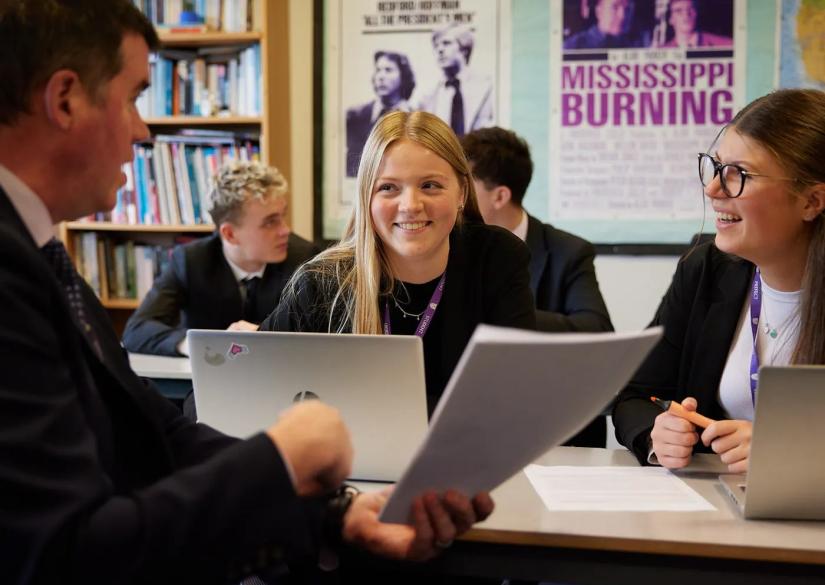
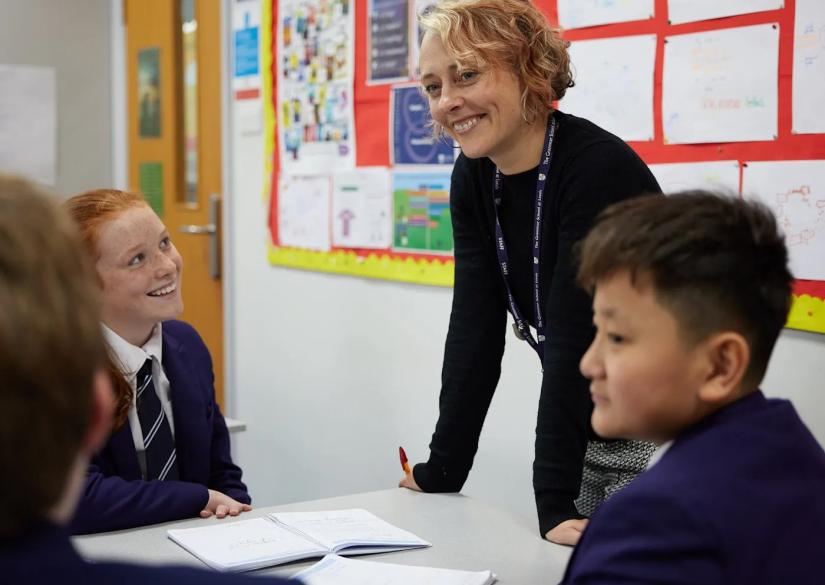




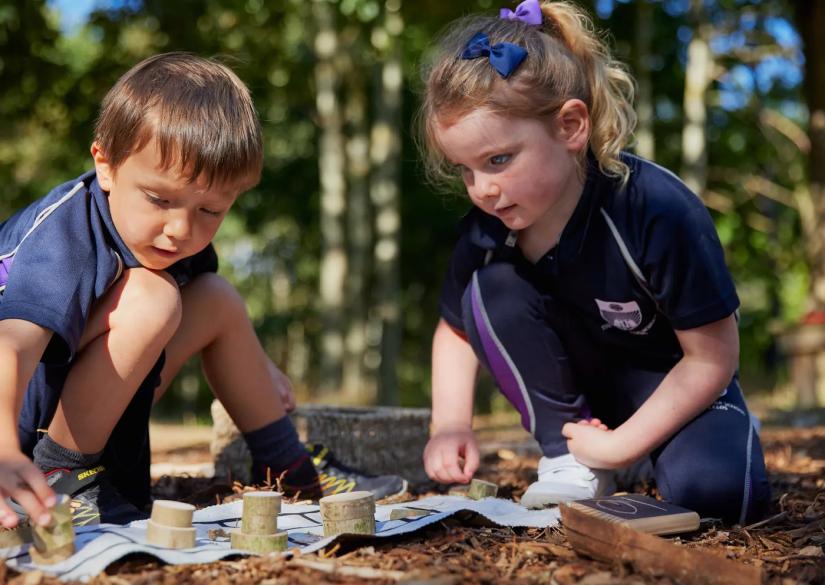







Programs and prices, tuition fees in The Grammar School at Leeds, Gymnasium of Leeds


Nursery, Preschool Department
- Age of students — from 2 to 4 years old,
- Duration of study — three years.
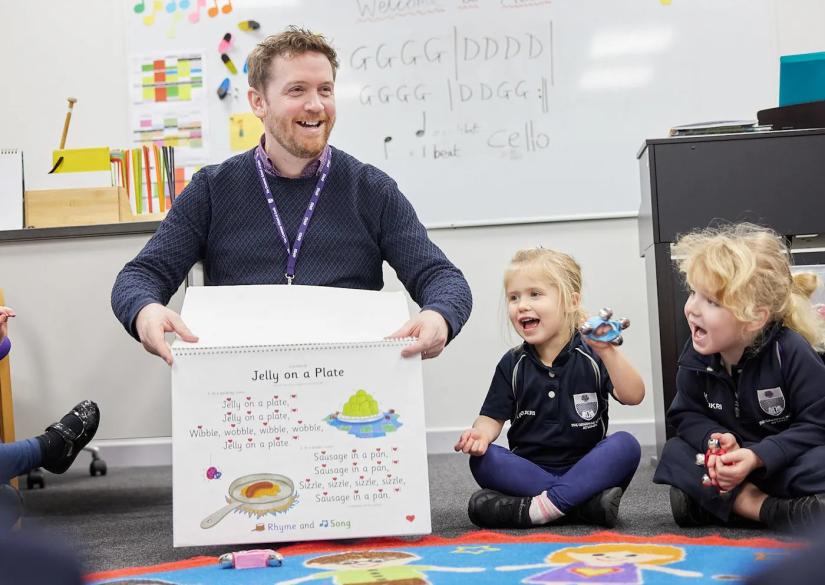
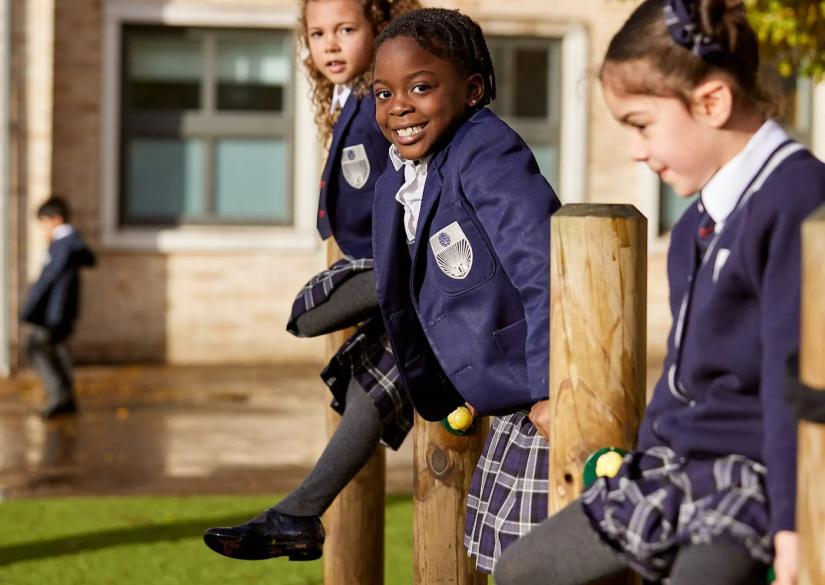
The Grammar School at Leeds preschool department offers a flexible format, allowing families to choose the number of days and hours their child will attend school. It has a separate area prepared for the comprehensive development of the youngest pupils — many classes are held in the Forest School and on outdoor playgrounds, encouraging students to explore the world around them, learn safety, and develop important life and social skills.
The kindergarten lays an important foundation for further learning. Teachers carefully monitor each student and help them overcome difficulties and reveal their talents.
Primary School
- Age — from 4 to 11 years old,
- Duration of study — seven years.
The primary school program includes two stages:
- Preparatory department, covering the senior preschool group and education in grades 1-2,
- Primary grades 3-6.
At the first stage, learning continues in a playful and interactive format, allowing children to smoothly transition from preschool to the school curriculum. As they grow older, their study plan is supplemented with a large number of subjects and topics, classes become slightly stricter and more focused. Particular attention is paid to counting and reading skills, literacy studies, vocabulary development, and expanding vocabulary. The educational program necessarily includes several art subjects: music, fine arts, drama.
The second stage of primary school is characterized by more rigorous academic preparation: students study natural sciences, mathematics, English language, several areas in art and other subjects. The schedule also includes sports activities: a student can choose the section they like best and practice after lessons.
Elementary school will become an important foundation for further academic development — the transition to middle grades, where students await great opportunities and serious work.
Secondary School
- Age of students — from 11 to 16 years old,
- Duration of study — five years.
The secondary school program covers grades 7-11 and provides separate classes for boys and girls. This approach will help students develop in areas that are truly interesting to them.
In the 7th grade, the curriculum is structured in such a way that all subjects contribute to the development of essential academic skills and lay the foundation for future academic success. Essential academic skills include fast reading and accurate writing, the ability to listen and explain clearly, and using technology to broaden horizons. The first three years of middle school curriculum includes the following subjects:
- Mathematics,
- English language,
- Natural Sciences,
- Modern foreign languages, Greek and Latin,
- Religious Studies.
- Art,
- Computer Science,
- Design Technology,
- Drama,
- Food technology,
- Geography,
- History,
- Music,
- Physical Education,
- Personal, Social and Health Education (PSHE).
In the 10th grade, students need to choose nine subjects that they will prepare for taking GCSEs — exams that await them at the end of the 11th grade. The list of disciplines includes mandatory:
- Mathematics,
- English language,
- English literature,
- Religious Studies,
- Natural Sciences — two or three subjects: chemistry, biology, physics.
In addition to these, students choose four more subjects (three if a student has chosen to study all natural sciences) from an extensive list:
- Art, design,
- Business studies,
- Computer science,
- Design, technology,
- Drama,
- Food technology,
- French language,
- German language,
- Geography,
- History,
- Latin language,
- Music,
- Spanish language.
After successfully passing the GCSE exams, students move on to the Sixth Form stage.
Sixth Form
- Age — from 16 to 18 years old,
- Duration of study — two years.
The final stage of school education offers high school students complete flexibility in composing their curriculum: each student chooses 3-4 subjects based on their academic interests, strengths and goals for admission to university. The subject list includes 26 scientific disciplines — among them:
- Biology,
- Chemistry,
- Business Studies,
- Art, design,
- Computer Science,
- Classical Civilization,
- Drama, Theatre Studies,
- Economics,
- English Literature,
- History,
- Government, Politics,
- Philosophy, Ethics, Theology,
- German Language,
- Psychology,
- Physical Education.
Students can supplement their study plan with an Extended Project Qualification (EPQ) course, in which they create an individual piece of work on a topic relevant to one of the subjects chosen. This qualification is highly valued by leading universities around the world.
Under the guidance of qualified teachers and personal tutors, students study for two years, then take exams and, if successful, receive an A-Level diploma. According to statistics, graduates of The Grammar School at Leeds successfully enter the best universities in Great Britain, including Oxford and Cambridge.
Description of The Grammar School at Leeds, Gymnasium of Leeds
- Location: Leeds, England,
- Year of foundation: 2008,
- Number of students: approximately 2370,
- Language of instruction: English,
- Type of study: mixed.
The Grammar School at Leeds (GSAL) — a private day school for international students aged 2-18.
The institution opened its doors in 2008 as a new school formed through the merger of two schools: Leeds Grammar School and Leeds Girls’ High School. Both educational institutions had centuries of history and traditions, some of which are still preserved at GSAL. Today, The Grammar School at Leeds holds a special place in the region's academic sector, regularly appearing in national and international rankings and highly valued by the leading accreditation agency ISI. Offering its students modern facilities within historic buildings, a wide range of scientific disciplines and extracurricular activities, the school annually attracts local and foreign applicants. GSAL is considered a selective institution that aims for the comprehensive development of purposeful, intelligent and active children, therefore admission is limited by entrance examinations, which maintains a comfortable and friendly atmosphere at the school and supports a high level of academic achievement.
Educational process
At The Grammar School at Leeds, a particular emphasis is placed on academic achievement: to achieve excellent grades and high scores in exams, students attend additional classes with subject teachers, work with a personal tutor, and participate in career and scientific seminars. The school provides all the necessary tools for its pupils to develop their strengths, discover new talents and realize their potential.
Faculties and colleges
The academic system covers all stages of school education:
- Nursery — kindergarten for children aged 2-4 years,
- Primary School — elementary school, ages 4-11,
- Senior School — middle school for students aged 11-16,
- Sixth Form — high school, ages 16-18.
Scientific achievements
Each student transitioning to middle school receives a personal laptop.
Accommodation, meals, prices
The Grammar School at Leeds does not provide accommodation; it operates as a day school only.
Several dining halls are open on campus, each equipped for a specific age group of students: they are served hot meals prepared by qualified chefs according to a weekly changing menu.
Activities The Grammar School at Leeds, Gymnasium of Leeds
A diverse range of extracurricular activities offers students development in sports, creative and social areas. A list of clubs, each of which holds regular educational sessions, rehearsals and meetings:
- Fine Arts,
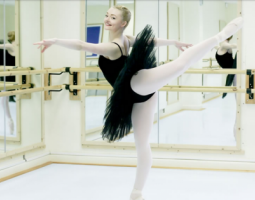
- Ballet,
- Information Technology,
- Drama,
- Book Club,
- Gymnastics,
- Karate,
- Musical ensembles: wind, string,
- Musical Theatre,
- Orchestra,
- Gardening,
- Tennis,
- Yoga,
- Street dancing,
- Debates.
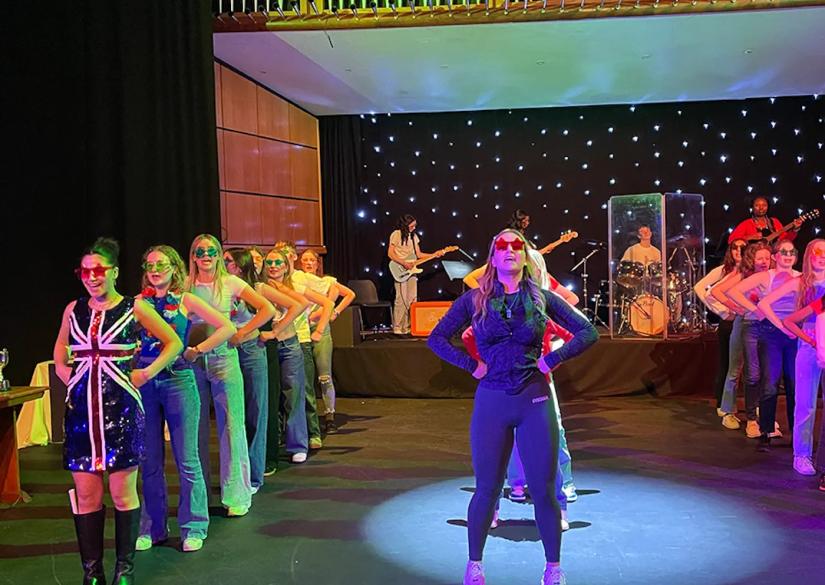
Throughout the year, thematic events are organized on campus: from a New Year's ball and a Halloween party to a charity evening and a cooking master class. Beyond the academic grounds, students can look forward to excursions to local attractions, camping trips, and sports competitions. Several times a year, students go to other regions and countries to explore interesting cultures and customs, visit iconic places, and, for example, in winter months, a trip to the mountains is organized where students ski and snowboard.
Advantages
- Ranked among the top 4% of schools in the country for GCSE, A-Level — Department for Education (UK),
- Leading school in Yorkshire for teaching English in Sixth Form,
- "School of the Year 2024" by Sunday Times,
- Awarded "School of the Decade" in 2020 by The Times,
- Separate education for boys and girls aged 11-16,
- 95% of senior students successfully complete their studies, 86% successfully enroll in world-renowned universities,
- School and external scholarships,
- Partnership with Institution Saint Michel — a school in France, whose students come to Leeds on exchange programs.
Facilities and equipment at The Grammar School at Leeds, Gymnasium of Leeds
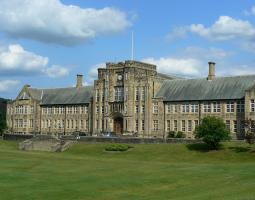
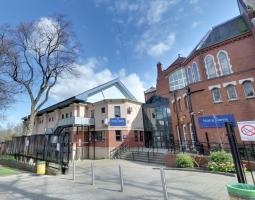
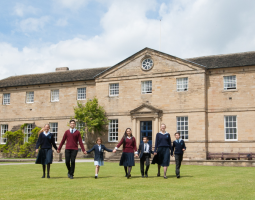
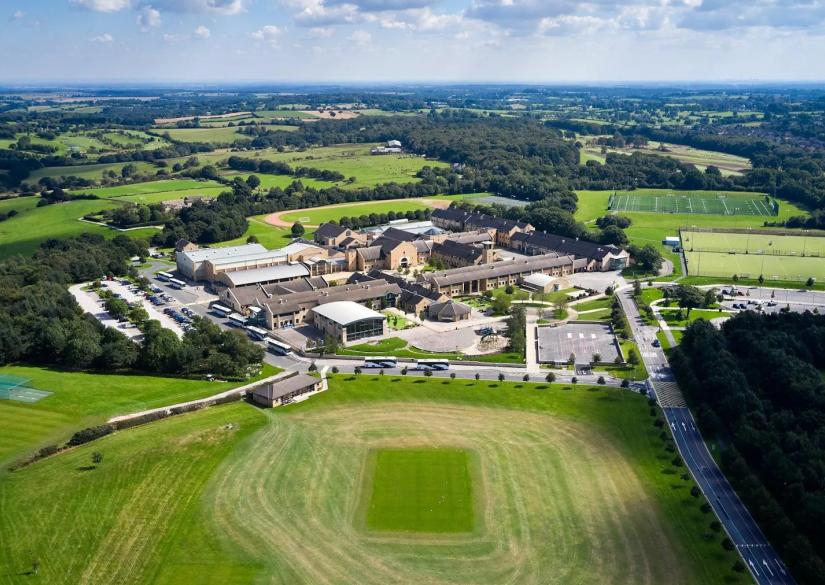
The Grammar School at Leeds is located in the countryside, near the city of Leeds, and occupies a 140-acre territory that houses separate academic buildings for preschool, junior, middle, and senior grades, sports facilities, and much more.
The youngest pupils of GSAL study in the area designated for them:
- Forest school for conducting classes outdoors: the area is completely safe and equipped with various materials and tools for experiments, exploring the world around you,
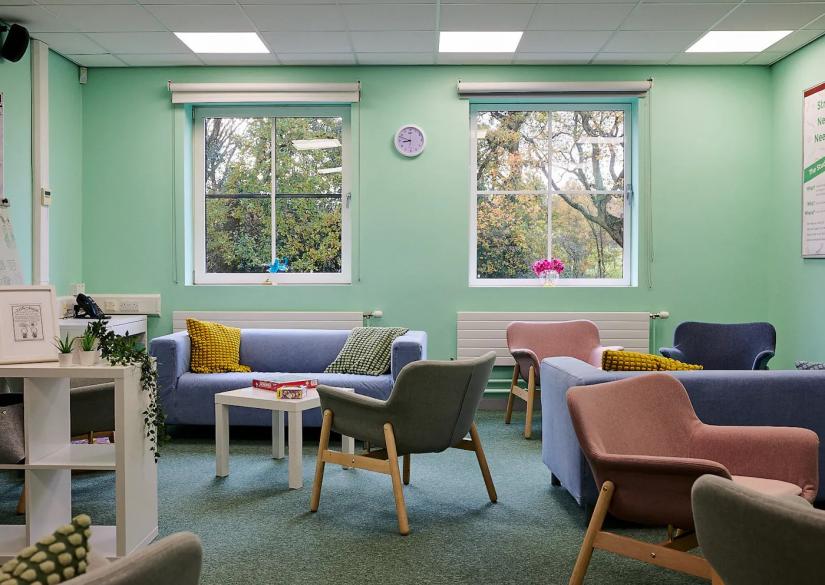
- Bright classrooms with ergonomic furniture, materials for crafts and studying basic subjects in a playful format,
- Music class,
- Library,
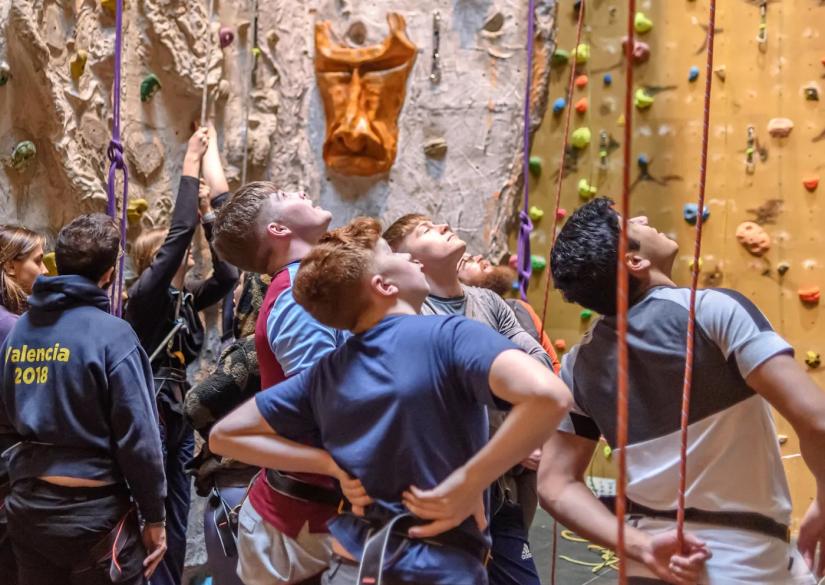
- Outdoor playground with a climbing wall, sandboxes and a small garden.
Elementary school students learn in the same conditions, but additionally they have specialized science laboratories and several music and art studios.
Students in middle and high school have access to a much wider range of infrastructure:
- Classrooms with interactive equipment and modern technologies,
- A library storing over 60,000 books and featuring several classrooms for individual/group work,
- Specialized science laboratories,
- A music department with multiple studios, rehearsal rooms, and performance halls,
- A performing arts center including a main ceremonial hall-stage and specialized classrooms.
Sports training and GSAL competitions are held at facilities such as:
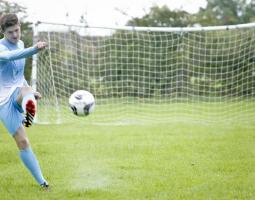
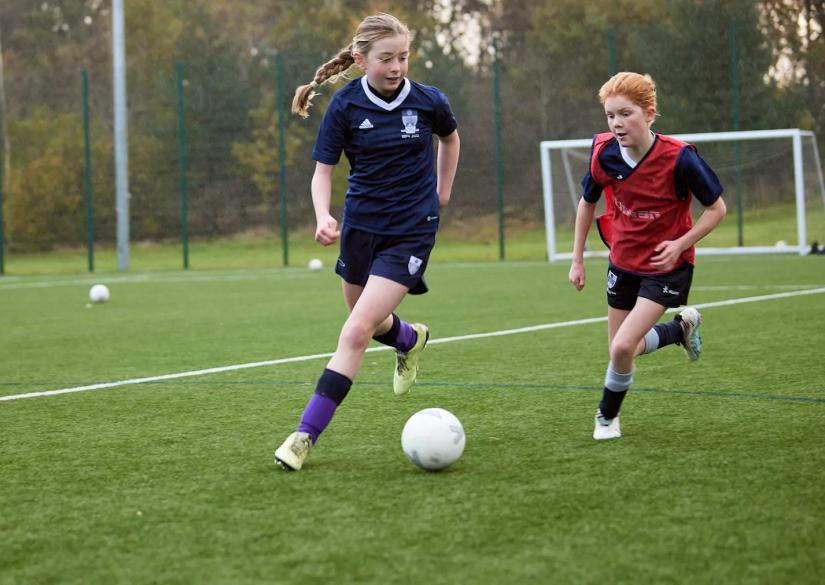
- All-weather field with 3G surface for rugby, football,
- Two hockey fields (astroturf),
- Athletic track,
- Courts, areas and fields for netball, cricket, tennis,
- 25-meter swimming pool,
- Sports center with team game zones, individual training areas, gym.
The Grammar School at Leeds grounds include spacious green areas and woodlands for cycling, yoga classes, walks and outdoor recreation.
Admission dates and extra charges
The academic calendar consists of three trimesters:
- Autumn: September-December,
- Spring: January-April,
- Summer: April-July.
Classes are held on weekdays, rest — on weekends, national and international holidays, during seasonal vacations.
Approximate list of additional expenses includes:
- Registration and administrative fees,
- Meals,
- School uniform,
- Some extracurricular activities,
- Individual academic support, one-on-one tutoring,
- Consumable learning materials,
- Medical insurance, on-demand service,
- Personal expenses.
Enrolment process
The admissions committee invites applicants to the Open House Day to show them all the advantages of the school and tell them about the stages of admission, requirements for candidates. Next, the future student's family fills out a registration form, pays the fee and provides documents, after which the commission staff organizes entrance tests. Tests, depending on the age of the applicant, will be held in several subjects, including English — based on the results of this stage, the school decides to enroll candidates and sends them official invitation letters.
Enrolment statistics
Admission of applicants is based on academic certificates from previous educational institutions, interview results and entrance tests. Being a selective institution, The Grammar School at Leeds takes student selection seriously, and competition is quite high.
Perspectives
Every year, high school students demonstrate outstanding achievements in passing GCSE and A-Level exams and entering universities. In 2025, 86% of graduates were enrolled in Russell Group universities, universities from the Guardian's top 30 list; according to statistics from the same year:
- Eight students were admitted to Oxford or Cambridge,
- 29 guaranteed places in prestigious courses in medicine, dentistry, veterinary medicine.
Five universities most often chosen by students were Newcastle, Durham, Liverpool, Nottingham and Warwick.
Entry requirements, how to apply, what is required to enrol
A common requirement for all applicants will be the availability of personal documents: a passport, health insurance and medical certificates, a visa or residence permit. Depending on the applicant's age, their family should provide either academic transcripts for the last two academic years, or statements from kindergarten/preparatory group. In addition to the application, you can attach individual achievements, medical certificates if there are difficulties in learning, and other information describing the child.
Educational process is conducted entirely in English, so candidates must have a language level appropriate for their age and educational stage.
Scholarships The Grammar School at Leeds, Gymnasium of Leeds
The Grammar School at Leeds offers a limited number of scholarships awarded to academically successful students in grades 7-12. Payment is based on high scores on the entrance exams, so there is no need to apply for a scholarship separately.
Financial support is available to families of students based on need.
Institution on the map
Residence permits, citizenship and other services
- Guardianship services during the studies
- Student supervision
Review about The Grammar School at Leeds, Gymnasium of Leeds
Recommendations on when to apply
| Language courses, schools and children's language camps | Primary and secondary education - private schools | Preparation programmes for entering universities - higher education | Higher education (after completing accredited programs A-level, IB, High School) - Bachelor, Master, MBA |
| - we recommend to apply 6-9 months before the start of the course (some camps and schools offer discounts for early booking or for lengthy study programs) - there are some very popular and high demand children's camps, where the applications need to be submitted 1 year in advance (in particular Switzerland , Great Britain , USA , Canada , Austria) | - we recommend to apply one year before the start of the training program, - some schools have a specific time frame (September-November - please specify an individual school) - some schools require tests in several stages (UKISET, internal tests of the school: English, mathematics, logics, subjects, interview, some require a personal visit) | - we recommend to apply one year before the start of the program, - for Foundation and Pathway programs, IELTS and TOEFL certificates are usually required, respectively | - recommended submission one year before the start of the program, - the deadline normally closes in January, for TOP HEIs and, as a rule, in March in other universities - for a bachelor, a Foundation or Pathway preparatory program a completed A-level, IB, High School + IELTS / TOEFL are required - for Masters you need a graduated higher education, in some cases you need a pre-Masters program - MBA requires completed higher education, work experience preferably at least 2-3 years, etc. |